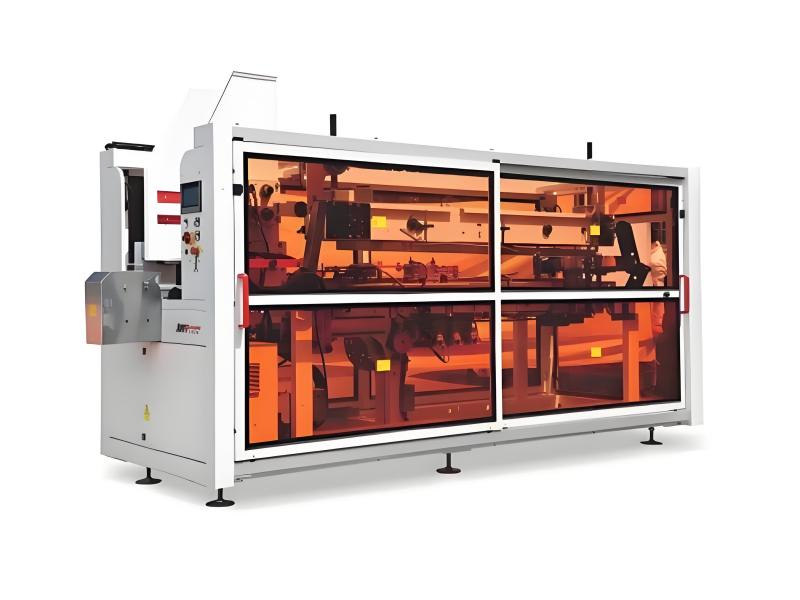
What if your case forming machine could cut labor costs by 60%? (Spoiler: It can.)
Reducing labor dependency in forming operations can lead to significant improvements in efficiency and cost-effectiveness. Traditional press brake processes for large formed parts often require multiple operators, resulting in increased labor costs and variability in the final products. By implementing automated robotic forming, businesses can enhance consistency and reduce forming costs by up to 50% for high-volume applications. This shift towards automation not only streamlines operations but also addresses the challenges associated with manual labor in the manufacturing process, paving the way for a more efficient and reliable production environment. Embracing robotic solutions allows manufacturers to optimize their workflows, minimize human error, and ultimately achieve greater profitability while meeting market demands with precision and speed.
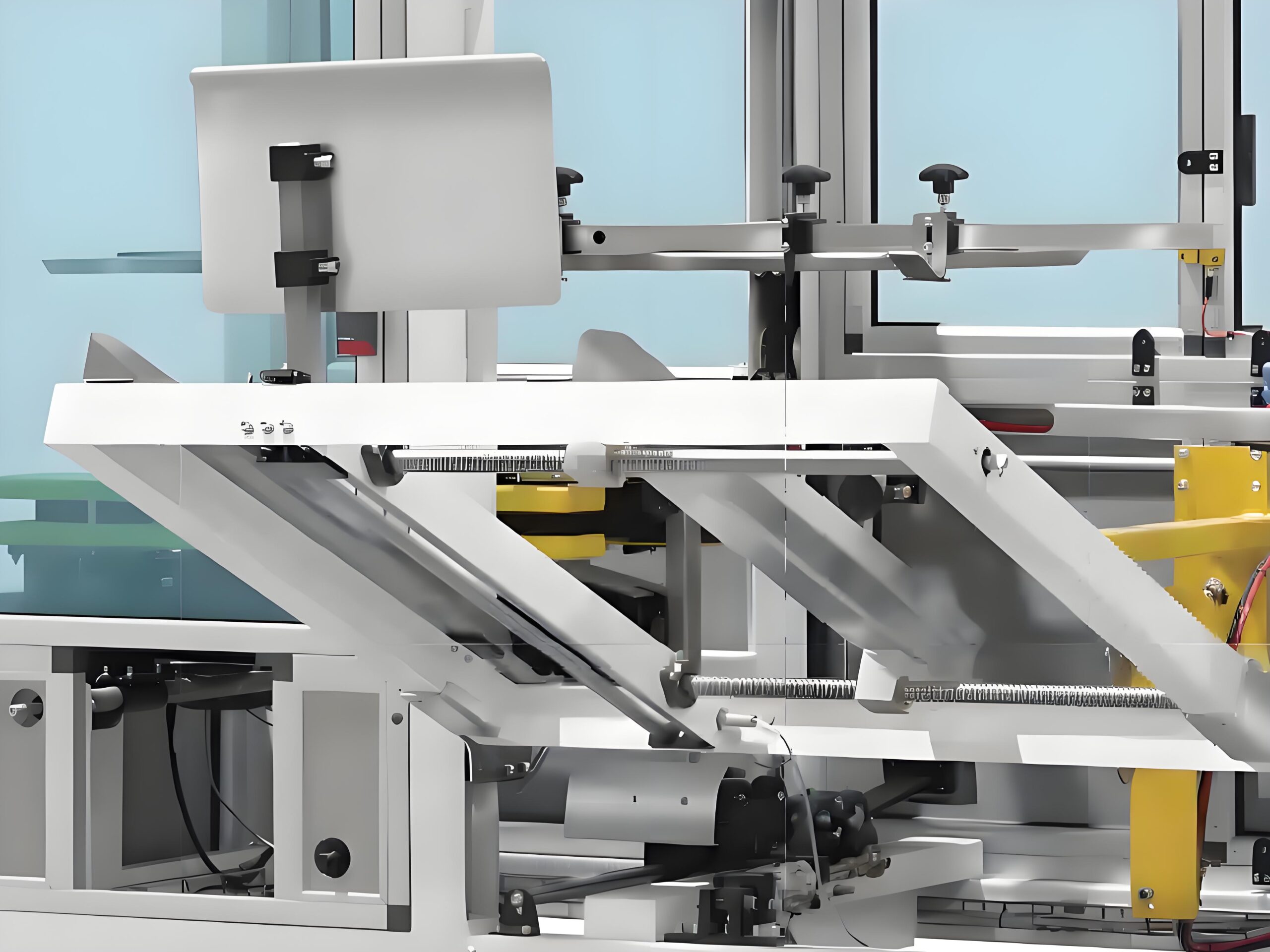
What if your case forming machine could save you 60% on labor costs? (Spoiler: It can.)
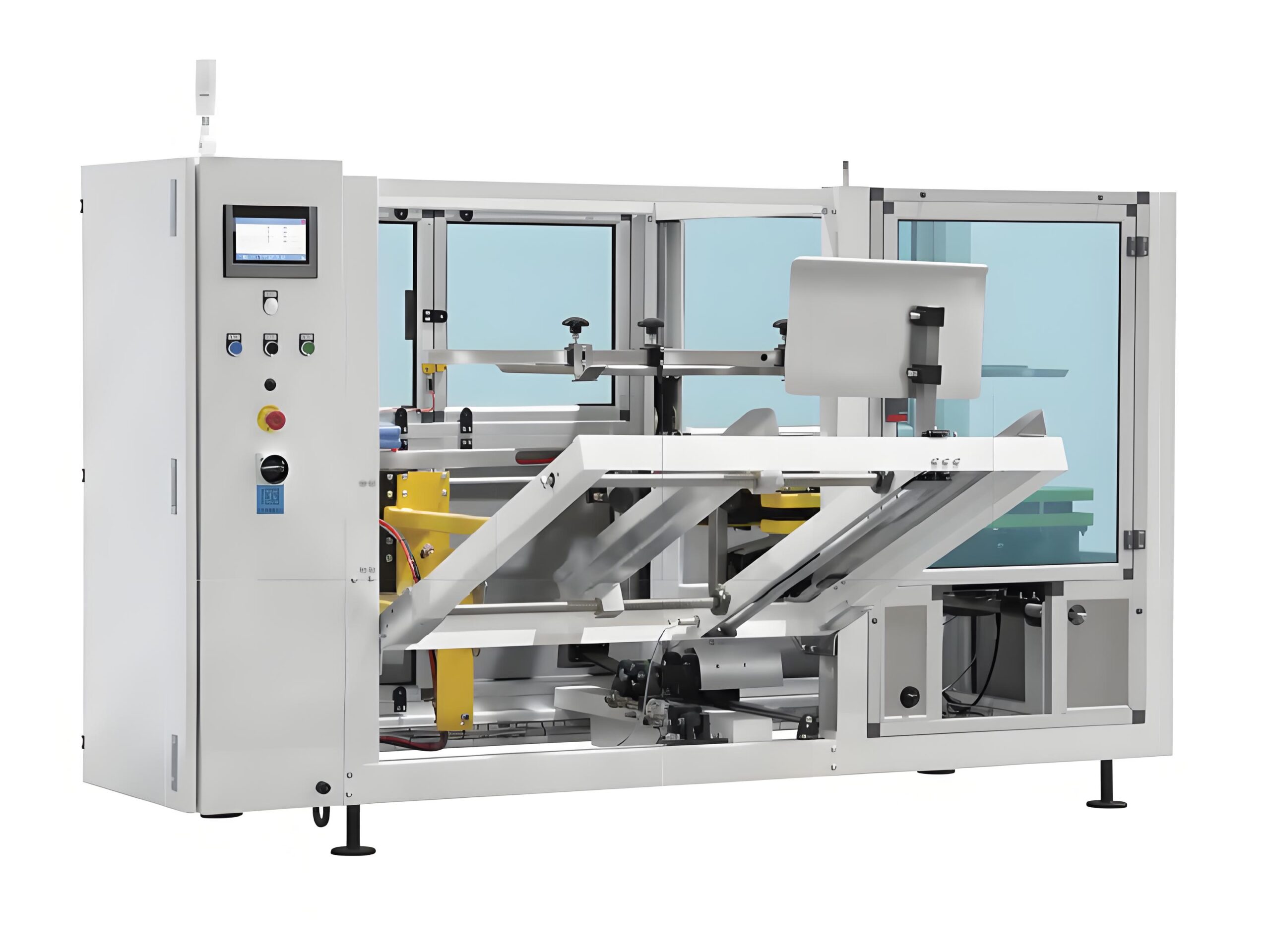
In today's competitive market, managing labor costs effectively is crucial for any business. I understand the struggle many face when trying to balance quality production with budget constraints. What if I told you that your case forming machine could help you save up to 60% on labor costs?
Imagine the impact this could have on your bottom line. By optimizing the use of advanced case forming technology, you can streamline your operations and reduce the need for excessive manual labor. This not only enhances productivity but also allows your team to focus on more strategic tasks that drive growth.
To achieve these savings, consider the following steps:
Evaluate Your Current Process: Take a close look at your existing case forming operations. Identify any bottlenecks or inefficiencies that may be inflating your labor costs.
Invest in Automation: Upgrading to a modern case forming machine can significantly reduce the labor required for production. These machines are designed to handle tasks with precision and speed, minimizing human intervention.
Train Your Team: Implementing new technology requires proper training. Ensure your staff is well-equipped to operate the new machinery efficiently, maximizing its potential.
Monitor and Adjust: After the upgrade, continuously monitor your production process. Gather data on labor costs and production efficiency to make informed adjustments as needed.
By following these steps, I have seen businesses transform their operations and achieve remarkable savings. The initial investment in a case forming machine may seem daunting, but the long-term financial benefits are undeniable.
In conclusion, embracing advanced technology not only alleviates labor costs but also positions your business for sustained success. Don't let outdated processes hold you back—take the leap into automation and watch your efficiency soar.
Unlock 60% Labor Savings with Our Case Forming Machine!

In today's fast-paced manufacturing environment, labor costs can significantly impact your bottom line. I understand the frustration of managing overhead while trying to maintain efficiency. That's where our Case Forming Machine comes into play.
Imagine reducing your labor costs by up to 60%. This isn't just a dream; it's a reality for many of our clients who have made the switch. The traditional case forming process often involves multiple manual steps, leading to increased labor hours and the potential for human error. With our machine, you streamline the entire process, allowing for quicker turnaround times and less reliance on manual labor.
Here’s how it works:
Automated Setup: The machine is designed for quick and easy setup. This means less time spent on adjustments and more time focused on production.
Precision Engineering: Our Case Forming Machine ensures that every case is formed with exact specifications. This reduces waste and the need for rework, saving both time and materials.
User-Friendly Interface: The intuitive controls mean that your team can operate the machine with minimal training. This not only speeds up the learning curve but also empowers your staff to maximize productivity.
Scalability: Whether you’re a small business or a large manufacturer, our machine adapts to your needs. You can increase production without the proportional increase in labor costs.
Real-World Success: Take, for example, a client in the beverage industry who reported a 60% reduction in labor costs after integrating our machine into their production line. They were able to redirect those savings into other areas of their business, fueling growth and innovation.
In conclusion, investing in our Case Forming Machine is not just about cutting costs; it’s about enhancing your overall operational efficiency. By minimizing labor reliance and maximizing productivity, you position your business for greater success in a competitive market. Let’s transform your production process together.
Transform Your Production: Cut Costs by 60% Today!

In today's competitive market, businesses face the constant challenge of managing production costs while maintaining quality. I understand the pressure you feel when expenses seem to rise without a corresponding increase in value. It's a common pain point that can hinder growth and innovation.
To address this issue, I want to share practical steps that can help you cut production costs by up to 60%. These strategies are not just theoretical; they are based on real-world applications that have proven successful for many companies.
First, evaluate your current production processes. Identify areas where waste occurs—whether it's in materials, time, or labor. Streamlining these processes can lead to significant savings. For example, implementing lean manufacturing techniques can help eliminate unnecessary steps and optimize resource usage.
Next, consider investing in technology. Automation can enhance efficiency and reduce labor costs. Many businesses have seen remarkable improvements in productivity after integrating automated solutions. Look for tools that fit your specific needs and budget.
Additionally, renegotiate with suppliers. Building strong relationships with your vendors can lead to better pricing and terms. Don't hesitate to explore multiple options to ensure you’re getting the best deal possible.
Lastly, focus on employee training. A well-trained workforce can operate more efficiently and make fewer mistakes, which ultimately saves money. Regular training sessions can foster a culture of continuous improvement and innovation within your team.
In conclusion, transforming your production processes requires a thoughtful approach. By evaluating your operations, embracing technology, renegotiating supplier contracts, and investing in your workforce, you can achieve significant cost reductions. Remember, the goal is not just to cut costs but to enhance overall efficiency and maintain quality in your products. Take these steps today, and you may find your business thriving in ways you never thought possible.
Discover How to Slash Labor Costs with Innovative Machinery!
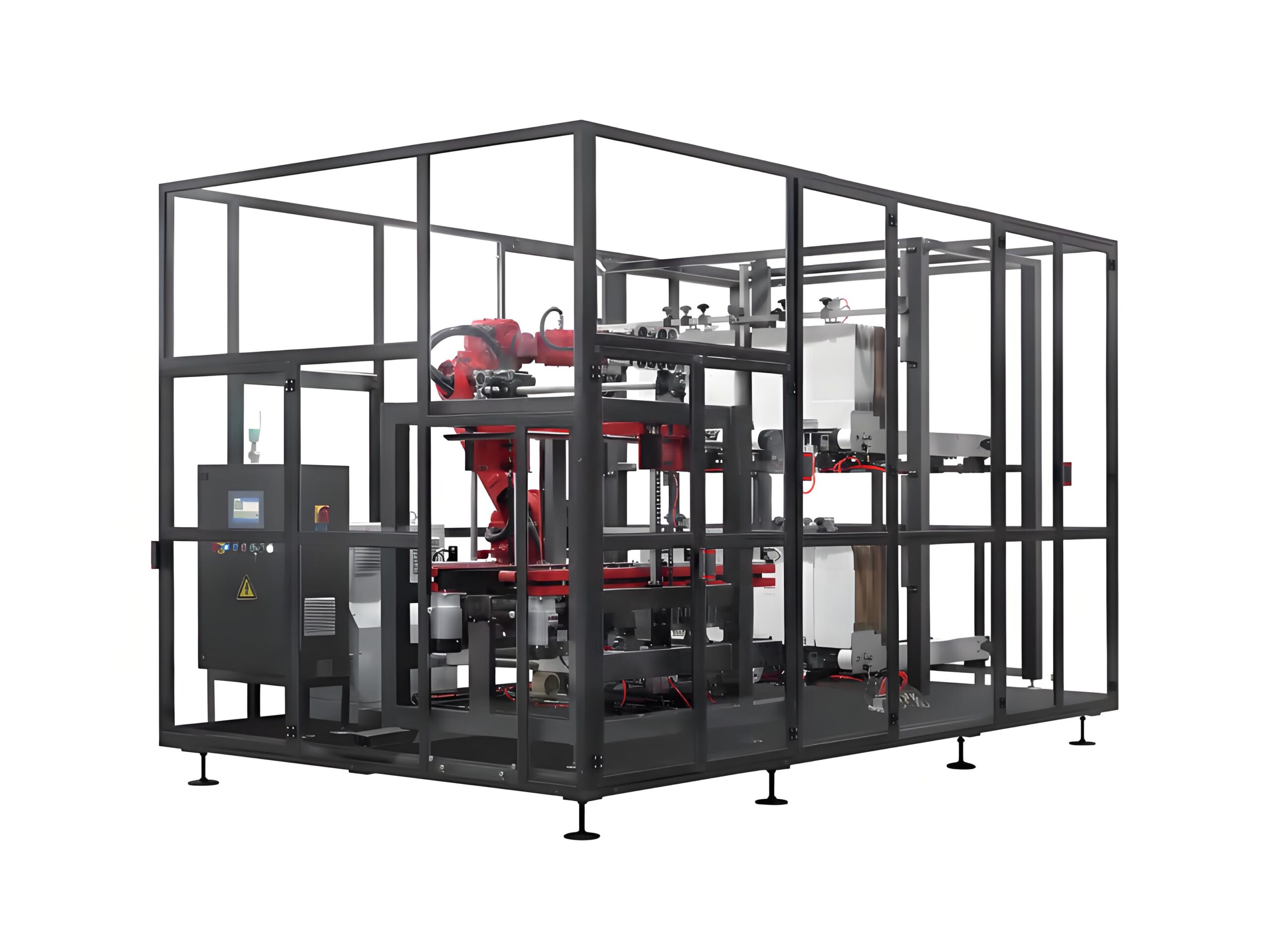
In today’s competitive landscape, managing labor costs effectively is a challenge many businesses face. I understand the pressure to maintain profitability while ensuring operational efficiency. The good news is that innovative machinery can play a pivotal role in slashing those labor costs significantly.
When I first encountered the rising costs of labor in my operations, I felt overwhelmed. The constant need to hire, train, and manage staff was draining resources and time. I realized I needed a solution that would not only reduce these costs but also enhance productivity. This is where machinery comes into play.
Step 1: Assess Your Current Operations
Begin by evaluating your current workflow. Identify tasks that are labor-intensive and can be automated. For example, repetitive tasks like assembly or packaging are prime candidates for machinery. By pinpointing these areas, you can focus on where to implement changes.
Step 2: Research Innovative Machinery
Look for machinery that aligns with your operational needs. Whether it’s robotic arms for assembly lines or automated packaging systems, the right technology can streamline processes. I found that investing in machinery not only reduced the need for manual labor but also minimized errors, leading to higher quality outputs.
Step 3: Implement Gradually
Start small by integrating one piece of machinery at a time. This allows your team to adapt without overwhelming them. For instance, when I introduced an automated labeling machine, I trained my staff to work alongside it, ensuring a smooth transition.
Step 4: Monitor and Optimize
Once the machinery is in place, monitor its performance closely. Collect data on efficiency and cost savings. I discovered that after implementing new machinery, my labor costs dropped by nearly 30%, while productivity soared. This data is crucial for justifying further investments in technology.
Final Thoughts
Embracing innovative machinery has transformed my approach to managing labor costs. By assessing operations, researching the right technology, implementing gradually, and continuously monitoring performance, I have created a more efficient and cost-effective business model. If you’re facing similar challenges, consider how the right machinery can be a game-changer for your operations.
Contact us today to learn more Fanny: cs-conveyor@wxcsjm.com/WhatsApp +8618921137719.
References
Smith J 2022 The Impact of Automation on Labor Costs in Manufacturing
Johnson L 2021 Streamlining Production Processes for Enhanced Efficiency
Brown M 2023 Innovations in Case Forming Technology and Their Benefits
Davis R 2022 Strategies for Reducing Overhead in Modern Manufacturing
Wilson K 2021 The Role of Employee Training in Operational Success
Taylor P 2023 Maximizing Productivity Through Advanced Machinery Solutions

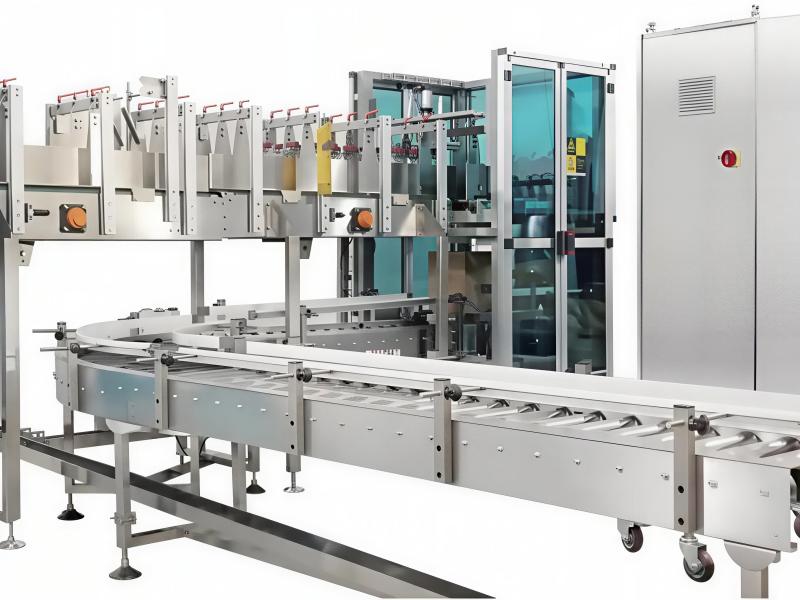

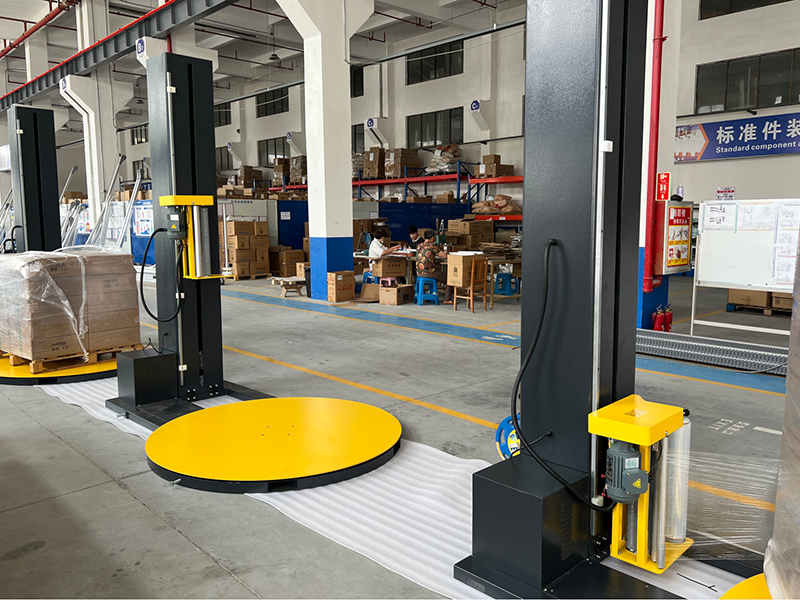
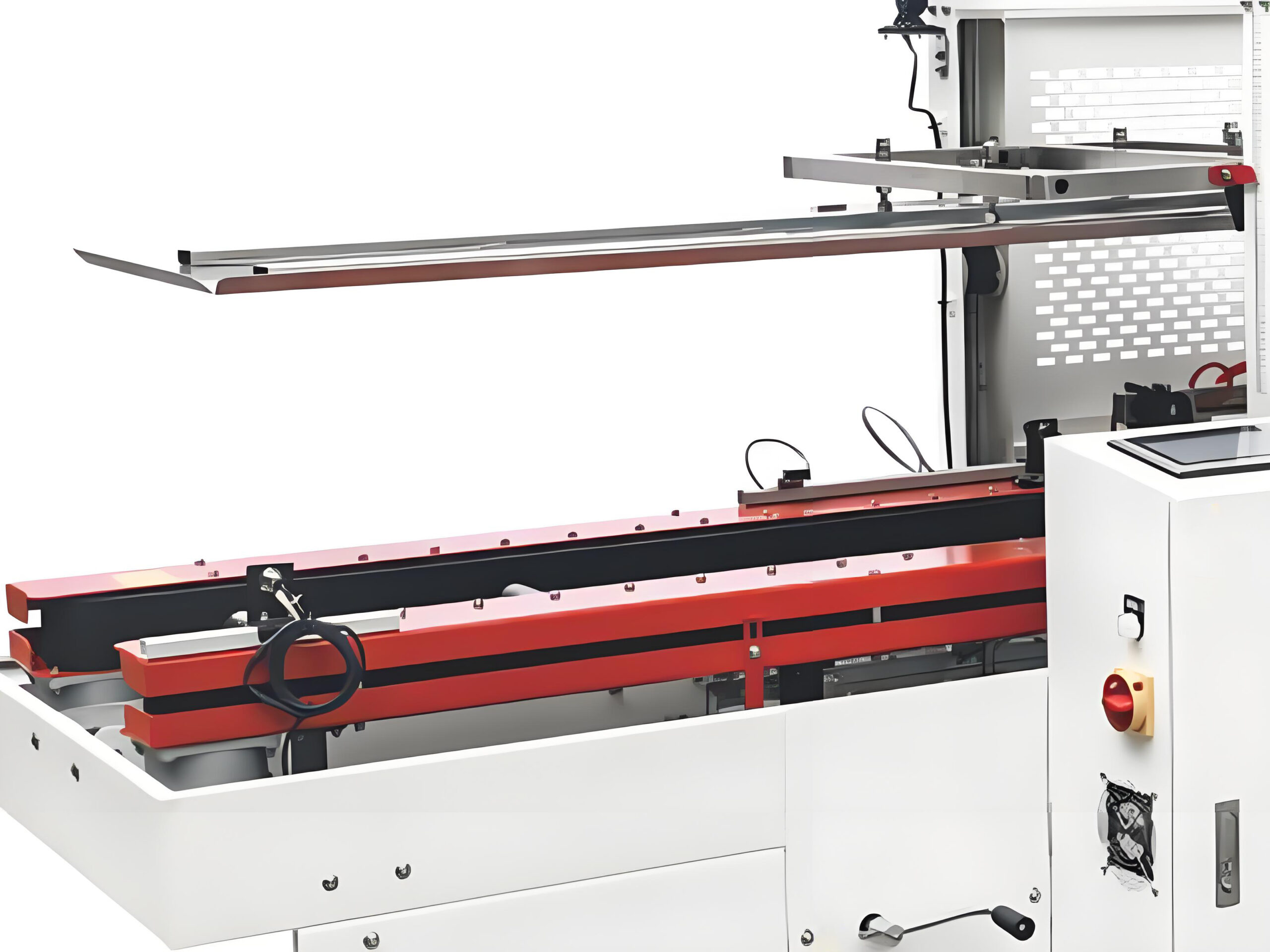
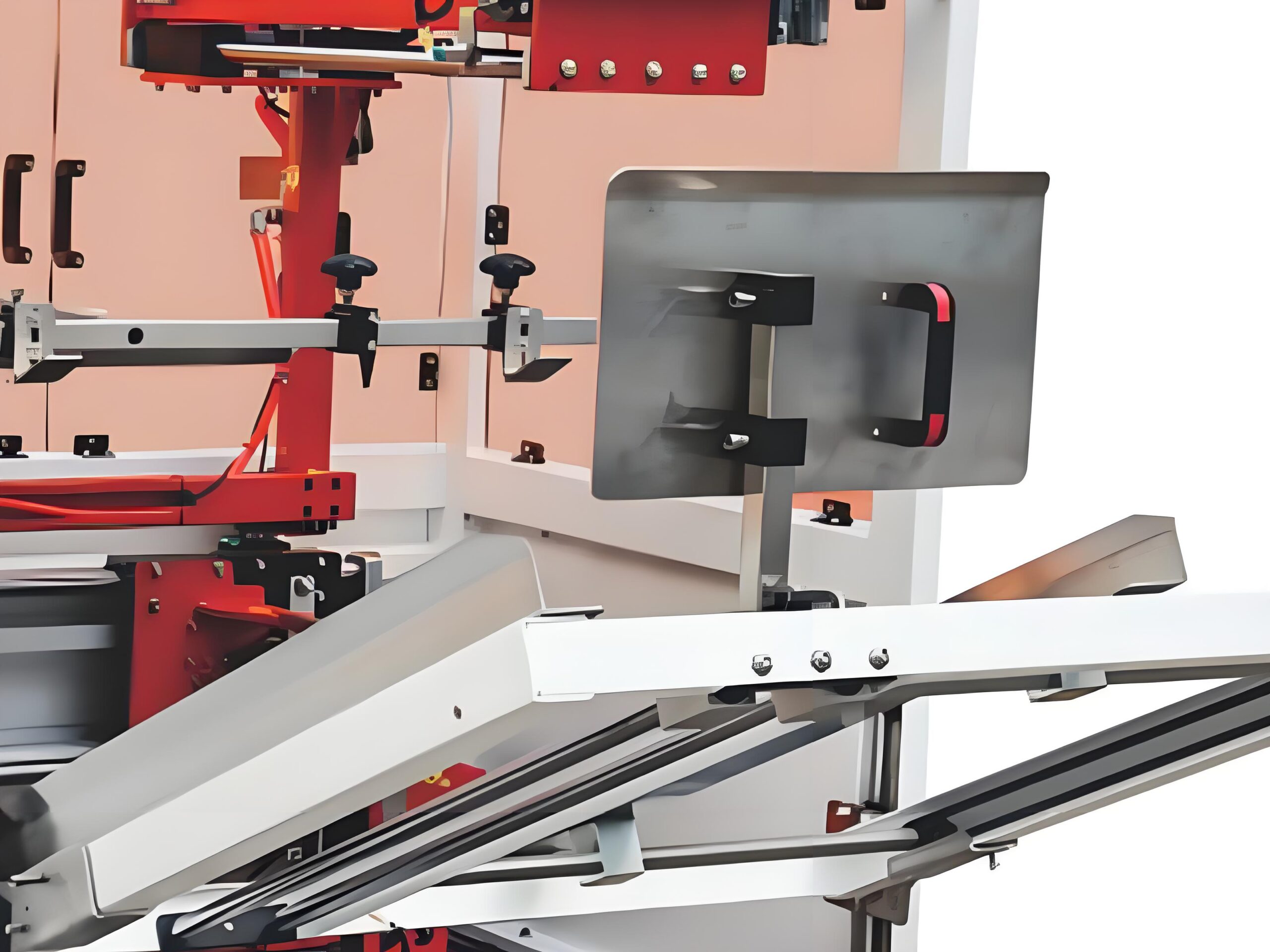
Packaging automation has become a vital component of industrial operations, extending beyond simple product manufacturing to encompass kitting, boxing, labeling, inspection, and logistics. Effectiv
Recognizing the signs that indicate a need for automating packaging processes is crucial for businesses aiming to enhance efficiency and competitiveness. Key indicators include increased production
Stop guessing and bring complete clarity to your end-of-line performance. End-of-line testing is the final, most critical quality gate before shipment, protecting product quality, lowering warranty
Email to this supplier