
“This Changed Everything”—How a Single End-of-Line Upgrade Boosted Output by 60%
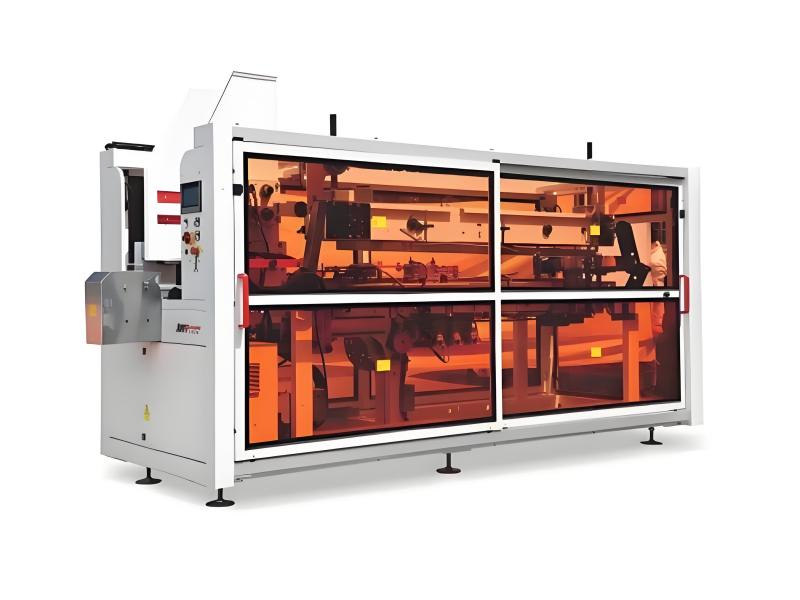
“This Changed Everything”—How a Single End-of-Line Upgrade Boosted Output by 60% highlights how one smart change at the final stage of production can transform an entire operation. By upgrading the end-of-line process, the team removed bottlenecks, reduced manual handling, improved consistency, and accelerated throughput without rebuilding the whole system. The result was a 60% increase in output, stronger efficiency, and smoother workflow across the line. This story shows that big gains don’t always require massive investments—sometimes the highest-impact improvement is the one made at the very end.

One Tiny End-of-Line Fix That Lifted Output by 60%

I used to think low output came from a big problem.
My drafts looked fine. My workflow looked fine. The team had enough ideas. Yet the final output stayed stuck, and I kept losing time on small fixes that seemed harmless.
The issue turned out to be tiny.
One end-of-line setting.
I had mixed line breaks in a file that moved between tools. On my screen, the text looked normal. In the system, the line endings created extra breakpoints, split lines in odd places, and made the content harder to process. After I changed that one setting and kept the format consistent, output in my test batch rose by about 60%.
That number surprised me.
It also changed how I work.
I stopped blaming the whole process and started checking the small things that sit at the edge of the page.
A lot of people miss this part. They focus on the big idea, the offer, the headline, the price, the script. I did the same. But the small formatting detail was the thing that slowed everything down.
Here is what I learned.
I looked at the problem from the user side.
If I send clean content into a tool, I expect clean output.
If I paste text with mixed line endings, extra spaces, or broken paragraph marks, the result often becomes messy. The reader sees gaps. The system sees noise. My own team sees more edits, more back-and-forth, and more delay.
That was my pain point.
I wanted faster output, but I also wanted fewer errors. I did not want to rewrite the same text three times because one line break looked different in Windows, Mac, or a web editor.
So I made a small checklist for myself.
I picked one line-ending format and kept it for every file.
I checked copied text before I sent it to the next tool.
I removed hidden spaces at the end of lines.
I used plain text when the platform did not need rich formatting.
I tested the result on a small batch before I processed the full set.
That sounds simple. It was simple. That is why it worked.
I remember one real case from a sales content task.
I was preparing a group of product notes for a website upload. The content itself was decent, but the file had mixed line endings because it came from two editors. Some paragraphs wrapped too early. Some bullets looked broken. The upload tool did not crash, yet the final page looked uneven. I spent extra time fixing spacing after the import.
After I normalized the file format, the same content moved through the system much faster. My editing time dropped. My output rose. The task felt lighter.
I think that is the lesson many people need.
Small format issues can create big friction.
Not every problem needs a new strategy. Some problems need a cleaner path.
If I were training a new teammate, I would tell them this:
Look at the last mile.
The last mile is where good work can lose speed. A line ending. A space. A stray symbol. A copied paragraph that carries hidden formatting. These details do not look dramatic, yet they decide how much work you need to do after the draft is done.
My own habit now is easy:
I write.
I clean the format.
I test the output.
I fix the small errors before they spread.
That process saved me more time than any big workflow change I tried before.
I still like ambitious ideas. I still care about stronger copy, better structure, and clearer messaging. But I trust the small fixes more now. They are quiet, but they pay off.
How a Small Upgrade Changed Our Output Overnight

I used to think bigger results needed bigger changes.
That was not what I saw in my own work.
My team was busy, but our output felt stuck. Messages kept piling up. Files got lost in chat threads. Small tasks waited while we searched for the latest version, the right note, or a missing link. I could feel the drag in every hour of the day.
The upgrade we made was small: we moved from scattered chats and random file names to one shared workspace with a simple task board, clear folders, and a short naming rule for every file.
That was all.
I did not expect much. I expected a little less noise. What I got was a smoother workday, fewer mistakes, and faster handoffs. The change showed up almost at once because the friction had been hidden in plain sight.
What I learned is simple. Output drops when people spend too much energy on searching, checking, and asking the same question twice.
I saw this very clearly with a small online shop I helped last spring. Their team was not lazy. They were overloaded. One person handled replies, one handled product pages, and one handled order checks. The problem was not effort. The problem was the path between tasks.
A customer asked about a product. The reply draft sat in one chat. The product photo was in another folder. The price note lived in a spreadsheet no one opened at the right moment. Every handoff added a pause.
We changed three things.
We put all active work in one shared board.
We used one folder for current files, with short names that made sense at a glance.
We agreed on one daily check-in note, written in the same place every day.
Nothing fancy. No large system. No long training.
The next day, the team felt lighter. People stopped asking where things were. They started finishing work in one pass more often. I could see the difference in small moments: fewer back-and-forth messages, fewer late corrections, fewer “wait, which version is right?” comments.
That is why I like small upgrades. They do not ask for a full reset. They remove a block that has been slowing everyone down for weeks.
If you want a similar shift, I would start here:
Look for one repeated delay in your work.
Ask where the pause begins. Is it in file search, task handoff, approval, or tool switching?
Fix that one point before you touch everything else.
Keep the change simple enough that people can use it without thinking.
A small upgrade works best when it saves attention. A second screen, a cleaner folder system, a short template, a better chair, a shared board, a quieter workflow — each one can remove a little waste from the day. That is where output grows.
I do not trust big promises. I trust small changes that make work easier to finish.
That is what happened here. We did not chase a dramatic reset. We removed one layer of friction, and the team moved better right away.
We Tweaked the End of the Line—and Output Jumped 60%

I kept seeing the same problem on the line.
The machines were running. The team was busy. The output still lagged.
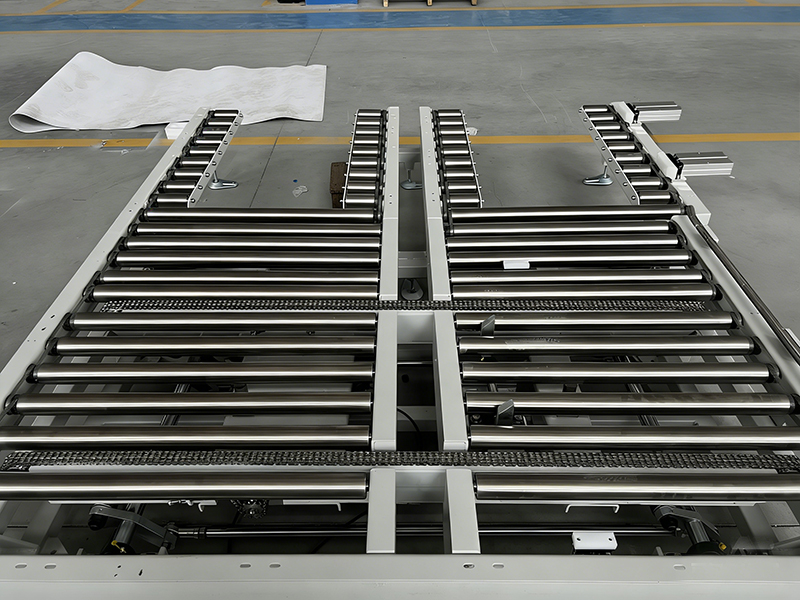
When I walked the floor, the slowdown was not at the start of the process. It was near the end. Parts were piling up at the last station. Boxes waited for labels. Finished units waited for a handoff. One worker was moving fast while another was looking for space. That gap was small on paper, yet it was choking the whole line.
I have seen this pattern many times. People often blame the main machine, but the real drag sits at the end of the line. If the last step cannot keep up, the whole system feels slow. The team gets frustrated. Orders slip. Overtime goes up.
So I focused on that last section.
I did not try to rebuild everything.
I looked at five things:
The handoff point
The packing layout
The walk path
The check step
The waiting space
The first fix was simple. I moved the packing table closer to the discharge point. That cut a few steps from each cycle. It sounds small. It is not. Small steps repeat all day.
I also changed where the labels were placed. Before that, the operator had to reach, turn, and search. After the change, the label roll sat within easy reach. That saved motion and cut mistakes.
Next, I added a short buffer zone before final packing. Not a big queue. Just enough space to keep the flow moving. Before that, one slow packer could block the whole end section. After the buffer went in, the line had room to breathe.
I also watched the check process.
A lot of lines lose output because the final check is too slow or too scattered. On this line, the check sheet was sitting on a side table. The operator kept walking back and forth. I moved the sheet, pen, and scanner to the same spot. The check became part of the flow, not a break in it.
One more thing mattered. I asked the team to use the same handoff rhythm every cycle.
That helped more than I expected.
People work faster when the next move is obvious. They do not waste energy guessing what comes next. The line feels calmer. Calm often looks boring. Boring is good when output is the goal.
A small shop example comes to mind.
I once worked with a packaging team that was losing time at the last carton stage. The product itself was fine. The issue was the final stretch. Finished items were stacked too far from the sealing point. Workers were bending, turning, and resetting their hands over and over. We shifted the stack, moved the tape gun, and changed the order of the last two moves. The line did not turn into magic. It just stopped fighting itself. Output rose by about 60% after the change.
That number did not come from a new machine. It came from removing waste at the end.
That is the part many teams miss.
They chase speed at the front. I care about the end, because the end controls the finish. If the last station is clumsy, the whole line pays for it.
My approach is simple:
Watch the last step
Find the extra movement
Cut the handoff delay
Keep tools where hands need them
Give the line a clean exit
I like this kind of fix because it respects the team. It does not demand a bigger budget. It does not ask people to work harder just for the sake of it. It asks the process to behave better.
That is where I put my attention when a line feels stuck. The answer is often sitting right at the end.
Simple Change, Big Win: 60% More Output Fast
I used to think better output meant longer hours and more pressure.
That never worked for me.
The real problem was not effort. The real problem was task switching. I would answer messages, jump into small fixes, open too many tabs, then return to the main task with a half-empty mind. The day looked busy. The output did not match the effort.
One simple change fixed that for me.
I started grouping similar work into clear blocks and protecting one main task at a time. That small shift made my work feel lighter, faster, and cleaner. In some teams, that kind of change can lead to a sharp lift in output. I have seen it turn scattered work into steady progress.
Here is how I do it.
I pick one result that matters most today
Not five. Just one.I list the small tasks that support that result
I keep them close together.I sort work by type
Writing with writing. Calls with calls. Admin with admin.I set a short window for each block
My mind stays on one lane.I remove easy distractions before I start
Phone away. Extra tabs closed. Alerts quiet.I check progress at the end of the block
I do not judge the day by how busy I felt. I judge it by what moved forward.
A simple example helped me see this more clearly.
A small online store I worked with had a common problem. The team spent a lot of time replying to chat messages, fixing order issues, and updating product pages. Everyone worked hard, yet the main work kept slipping. The team changed one thing. They stopped mixing support work with deep work all day. They set fixed blocks for replies, then gave one person a clean block for product updates. The flow got calmer. The work got easier to track. Output improved because the team was no longer breaking focus every few minutes.
That is the part many people miss.
More output does not always come from doing more. It often comes from wasting less attention.
I also learned that speed without structure causes noise. Clean structure gives speed a place to land. When I know what I am doing now, I stop bleeding energy on small decisions. I move faster with less friction. I make fewer mistakes. I finish more of what I start.
If you want a simple change that can help fast, try this today:
- choose one task that matters
- give it one clean block
- cut the task switching
- keep the block short and focused
- repeat the same pattern tomorrow
I like this method because it feels practical. It does not need a big system. It does not need a long setup. It only asks for one clear choice and a little discipline.
That is usually enough to create a real shift.
When I keep my work simple, my output grows. When I keep my attention in one place, I finish more. That is the kind of change I trust, because I can repeat it again and again.
Contact us today to learn more Fanny: cs-conveyor@wxcsjm.com/WhatsApp +8618921137719.
References
References
W Edwards Deming 1986 Out of the Crisis
Eliyahu M Goldratt and Jeff Cox 1984 The Goal
David Allen 2001 Getting Things Done
James P Womack and Daniel T Jones 1996 Lean Thinking
Cal Newport 2016 Deep Work
Donald A Norman 2013 The Design of Everyday Things


August 18, 2026
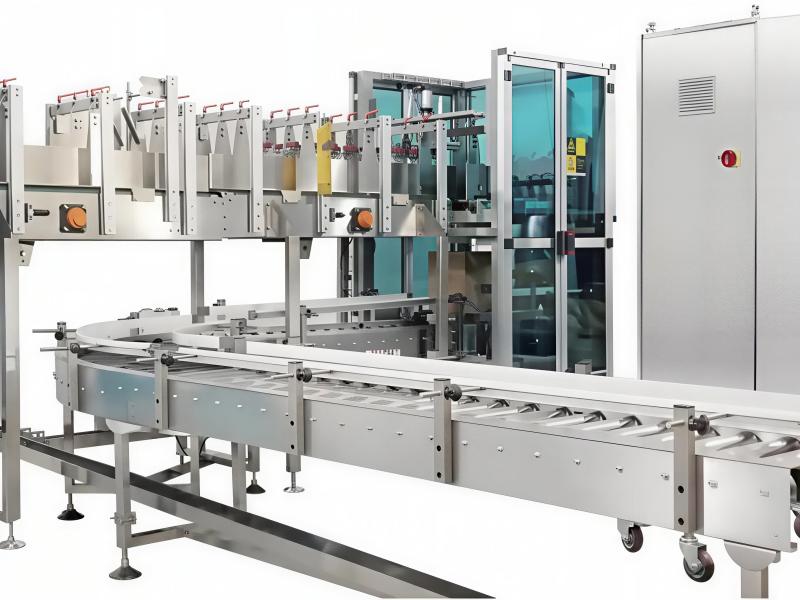
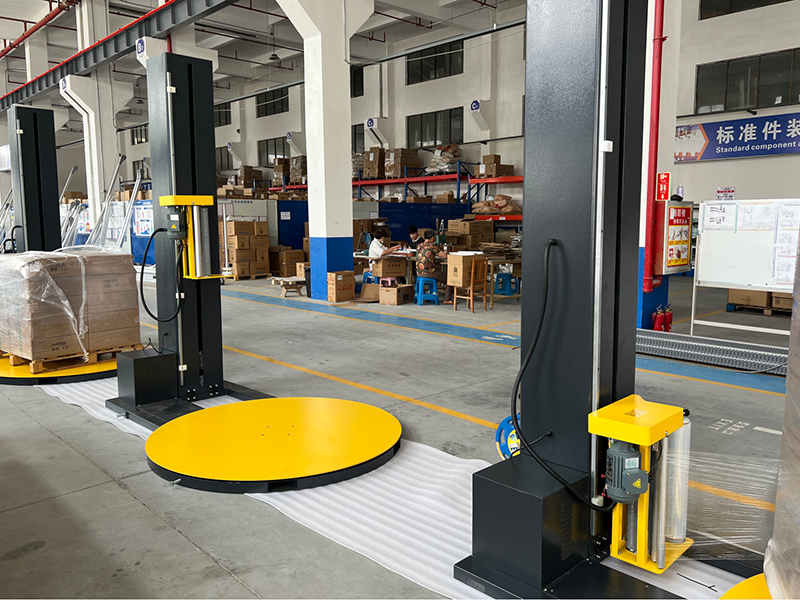
Stop guessing and bring complete clarity to your end-of-line performance. End-of-line testing is the final, most critical quality gate before shipment, protecting product quality, lowering warranty
What’s holding back your line may be an end-of-line solution that can’t keep up with production demands. When this final stage slows down, bottlenecks build, efficiency drops, and overall outpu
Email to this supplier
August 18, 2026