
Is your packaging line still manual? 78% of top brands upgraded to full EOL automation—why not you?
Is your packaging line still manual? If so, you may be falling behind as 78% of top brands move to full End-of-Line Automation to boost throughput, reduce labor dependence, improve consistency, and strengthen ROI. EOL automation covers the final stages after primary packaging—Case Packing, palletizing, labeling, securing, and dispatch—using robots, conveyors, case erectors, palletizers, and stretch wrappers to streamline operations and support safer, more scalable production. For processors and co-packers, it is becoming a strategic priority amid labor shortages, tighter space, higher quality demands, and the need for faster, more flexible output. The smartest starting point is often the most manual, bottlenecked step, such as securing or strapping, because it delivers quick ROI with minimal disruption. To succeed, manufacturers must choose the right processes to automate, ensure seamless system integration, design flexible changeovers, invest in operator training and preventive maintenance, and plan for future growth.

Still manual? Upgrade your packaging line to full EOL automation
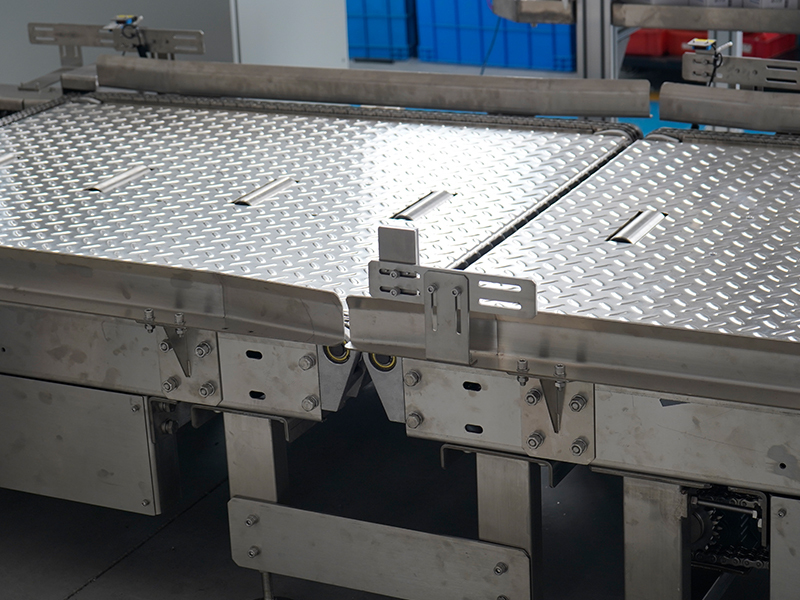
I still see many packaging lines that depend on hand work at the end of the line.
I see operators lifting cases, moving pallets, checking labels, and pushing product from one station to the next. The line keeps running, yet the last part often becomes the slowest part. That is where I see most of the waste. Packages wait. People walk more than they should. Errors slip in. Output becomes uneven.
I focus on one idea: if the front end of the line is fast, the end of the line should not hold it back.
Full end-of-line automation changes that. I use it to connect the last packaging stages into one clear flow. Product leaves the pack station, moves through conveyance, gets checked, boxed, stacked, wrapped, labeled, and sent out with less hand handling. The work feels more steady. The line feels easier to manage.
I like to look at the problem from the operator’s side.
If I spend too much time fixing jams, reworking labels, or moving cartons by hand, I lose control of the line. I also see more strain on the team. One worker may be strong and fast, yet no one can keep that pace all day without risk. A line that depends too much on manual effort can slow down without warning.
This is why I value full EOL automation:
- I reduce hand carrying between stations.
- I keep carton flow more even.
- I cut down on lifting at the pallet area.
- I make product checks easier to repeat.
- I help the line stay steady when demand changes.
I do not see automation as a way to remove people from the process. I see it as a way to move people into better work. Instead of lifting and pushing, they can watch quality, handle exceptions, and keep the line running with more control.
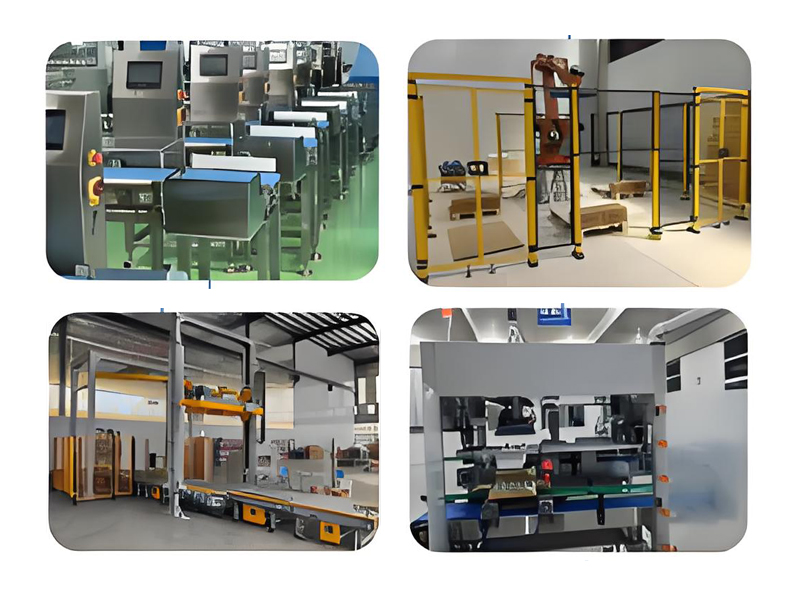
A basic end-of-line setup can include several parts:
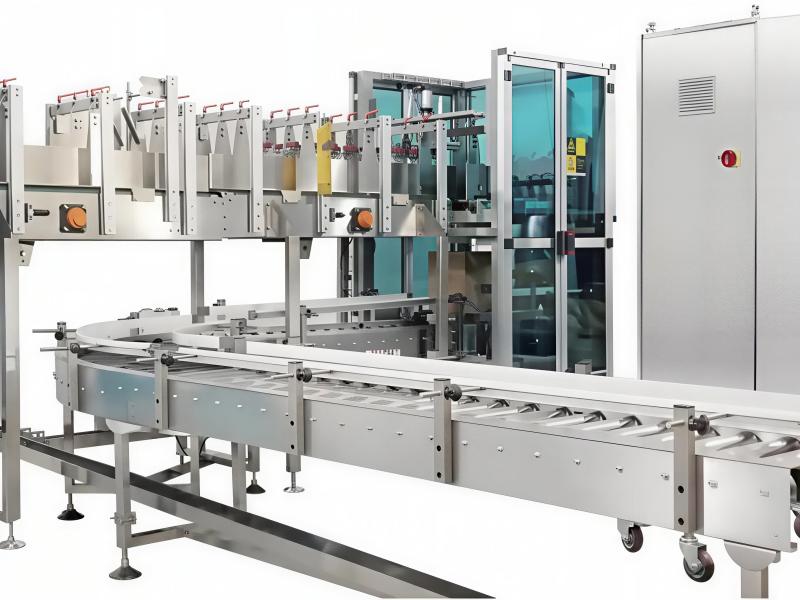
- case conveyors
- accumulation tables
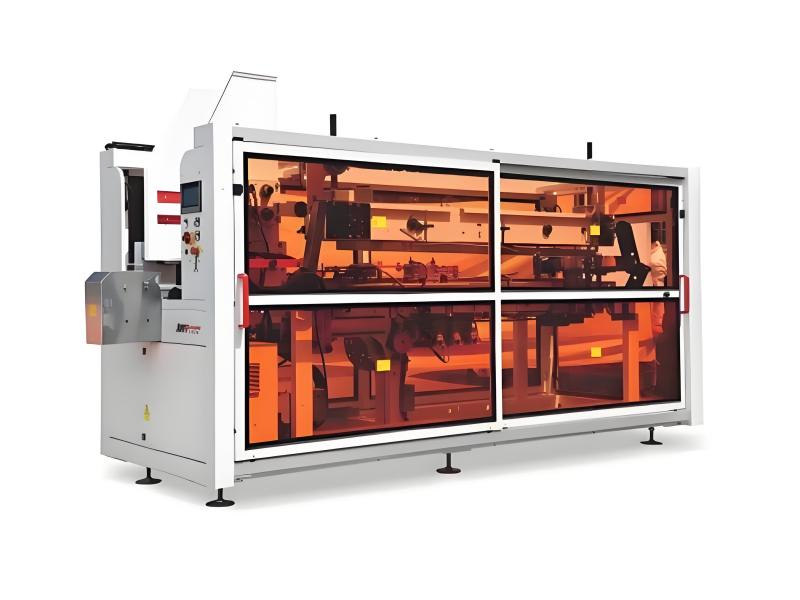
- case erectors
- case packers
- checkweighers
- carton sealers
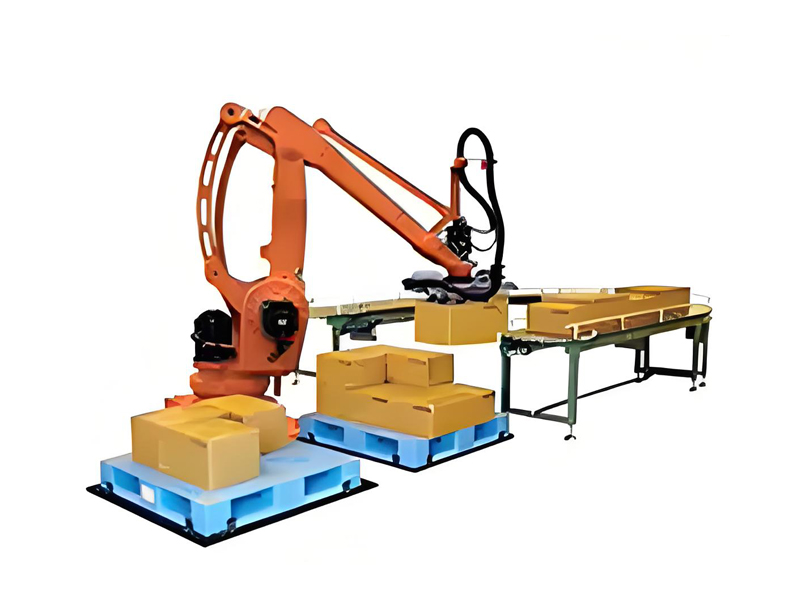
- robotic or conventional palletizers
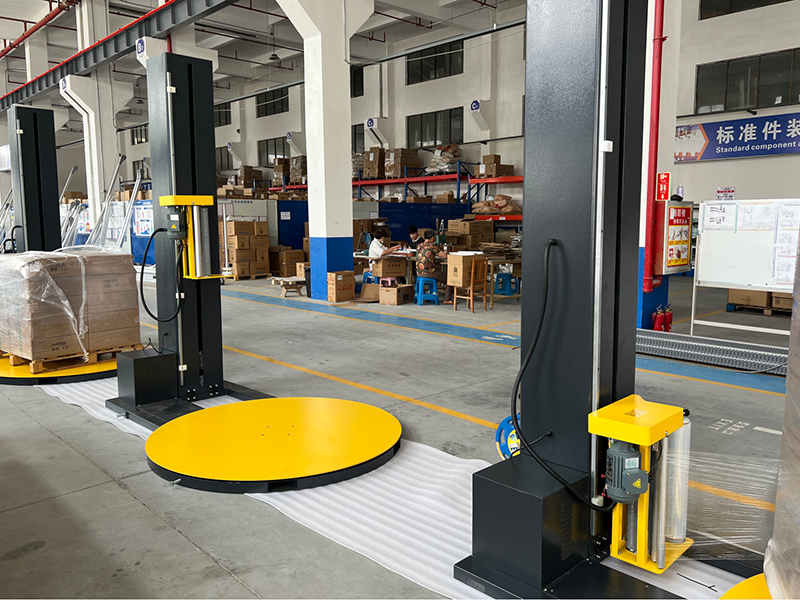
- stretch wrappers
- label print and apply systems
- pallet conveyors or AGV links
Each part has a clear role. I like systems that fit together without forcing the team to fight the equipment. A packaging line works best when each stage supports the next one.
I once saw a mid-size snack plant that still used a lot of hand packing at the end of the line. Operators were building cartons, stacking cases, and moving pallets with forklifts in a tight space. The line was busy, but the flow was uneven. When one station slowed down, the whole area backed up.
The plant changed the layout and added end-of-line automation. They linked case conveying, palletizing, and wrapping into one flow. They also added basic checks for carton count and label placement. The result was easy to notice. The team spent less time moving product by hand. The floor looked cleaner. The pallet area felt calmer. I saw fewer small mistakes from tired work.
That kind of result does not happen by chance. I think a good upgrade plan should follow a clear path:
I start with the bottleneck. I look at the point where product stops moving or where people do the most repeated work.
I map the product flow. I check where cartons travel, where pallets wait, and where labels or wraps are added.
I review space and safety. I want enough room for equipment, service access, and safe movement around the line.
I match the equipment to the product. Heavy cases, fragile packs, mixed SKUs, and different pallet patterns all need different setups.
I keep changeover simple. If a line runs many pack sizes, I want a system that can switch without a long reset.
I plan for growth. If output rises later, I do not want the whole line to be rebuilt from scratch.
I also pay close attention to data. A full EOL system can give me useful signals, such as stop reasons, wrap counts, pallet counts, and line speed changes. I do not need a flood of data. I need the right data. When I can see what slows the line, I can fix the right issue.
Some teams ask me if automation is only for large factories. I do not see it that way. I have seen small and mid-size plants gain a lot from one or two well-placed changes. A palletizer can remove heavy lifting. A conveyor link can remove walking. A label check can remove rework. Small fixes can change the whole end of the line.
I also think about the customer side. A cleaner pallet, a tighter wrap, and a correct label help the shipment leave the plant in better shape. That lowers the chance of damage and avoids avoidable errors. I like changes that help inside the plant and outside it.
If I had to sum up my view in one line, it would be this: a manual end of line can still work, but it often costs more effort than it should.
When I upgrade to full end-of-line automation, I am not chasing a trend. I am solving daily pain. I want less hand work, steadier flow, safer movement, and better control. That is what makes a packaging line easier to run, easier to scale, and easier to trust.
Top brands did it—why is your line still waiting?
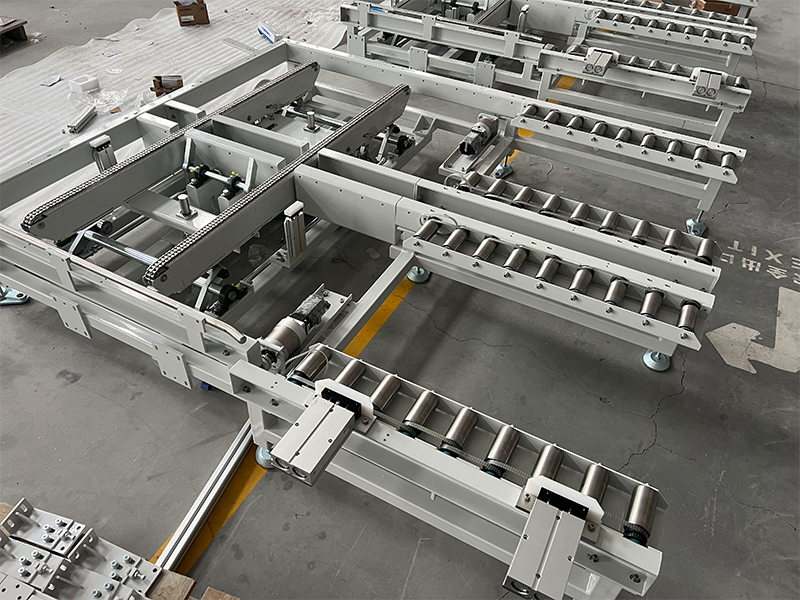
I keep seeing the same pattern.
A brand has a product line ready in the plan.
The samples look fine.
The team keeps talking about one more edit, one more review, one more round of approval.
And the line stays on hold.
I have watched this happen with a skin care label, a snack brand, and a small home goods seller. The product itself was not the real problem. The real problem was hesitation. They wanted the launch to feel safe before they showed it to buyers. I understand that feeling. I have felt it myself when I needed to put a message out and I kept polishing it past the point of use.
The market does not reward silence.
Big brands move because they learn while they sell. They do not wait for a perfect start. They test one line, watch the response, fix the weak part, and keep going. That is the part many smaller brands miss. They think they need a full shelf before they need a first sale.
I do not think that is true.
What I usually ask a team is simple:
- What pain point does this line solve?
- Who is the buyer we want to reach?
- What one message should stay in the buyer’s mind?
- What can we launch now without making the offer feel weak?
When I worked with a small beverage brand, the team wanted six flavors ready before launch. The delay kept growing. We cut the plan down to two flavors, wrote one clear message, and sent buyers to a simple product page. Sales started to give the team real feedback. That feedback did more than months of internal debate.
I have seen a similar case with a local candle seller. They kept changing the jar shape because they wanted the line to look polished on day one. A small group of buyers later told them they cared more about scent and burn time than the jar detail. After that, the brand stopped guessing and started listening. The line sold better once the message matched what buyers actually wanted.
If your line is still waiting, I would look at three things.
The product may be too broad.
When a line tries to speak to everyone, it often speaks to no one. I like a tight focus. One use case. One buyer. One clear promise.
The page may be too busy.
A buyer should be able to scan the offer fast. Short lines help. Clean spacing helps. A clear product name, a short benefit list, and a plain call to action can do more than a long block of text.
The team may be chasing comfort instead of response.
I understand the urge to keep refining. I still do it myself when I care about the work. But a live offer gives me data. A draft gives me guesses.
I also think a launch should sound like a person, not a machine.
I would rather read a line that says, “I made this for buyers who want a simpler daily choice,” than a page full of vague claims. Buyers trust plain speech. They know when a brand is trying too hard. They also know when a brand respects their time.
That is why I keep coming back to one rule: show the line, learn from the market, then improve it.
If you have been waiting to launch, ask yourself one honest question: what exactly needs one more week, and what is already ready now?
That answer usually shows the next move.
Boost speed, cut errors, and automate EOL today
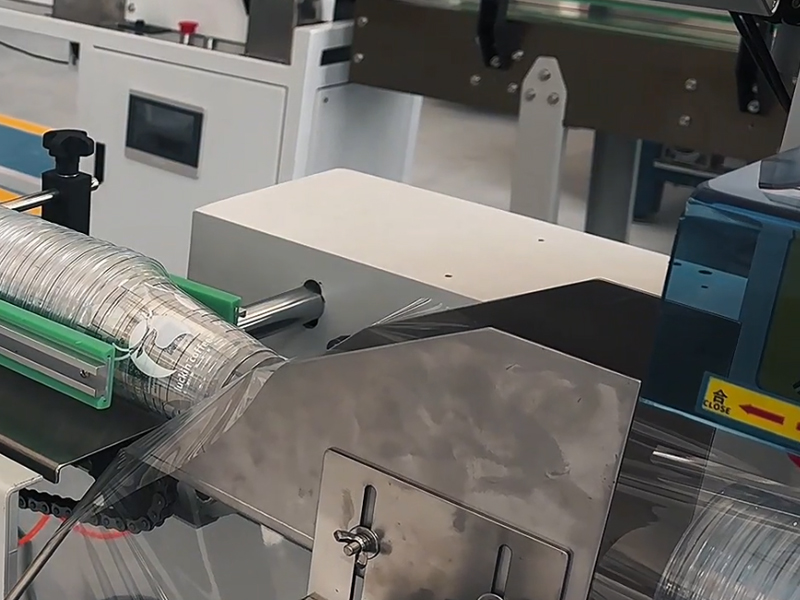
I used to see the same problem on busy production lines: checks took too long, small mistakes slipped through, and teams spent too much energy fixing issues after the fact.
That kind of work slows everything down.
It also creates pressure on operators, because every manual step adds a chance for variation. One person checks a label one way, another person checks it another way, and the result is uneven quality. I have watched this happen on packaging lines, assembly lines, and inspection stations. The pattern is always familiar.
When EOL is handled by hand, speed drops. Error risk rises. Reporting becomes messy.
That is why I pay close attention to automation at the end of the line. It gives the team a cleaner process, and it gives me better control over quality.
I like EOL automation for one simple reason: it brings the check closer to the product, right when the product leaves the line.
If a part is missing, a code is unreadable, or a seal looks wrong, the system can catch it right away. The team does not need to wait until the next shift. The issue stays small.
Here is the approach I would use.
1. Start with the slowest manual step
I always look for the task that eats the most time.
It may be barcode scanning.
It may be a visual check.
It may be a paper log that someone fills out by hand.
Once I find that step, I know where automation can help the most.
A packaging team I observed was checking lot codes by hand. The line kept moving, yet the operators had to stop and compare each box. After they added automated code verification, the process became smoother, and the team had more time to focus on actual exceptions.
2. Keep the EOL check simple
I prefer a setup that checks only what matters.
Too many signals create noise.
A clean EOL process should confirm the right product, the right label, the right count, and the right finish. If the system tries to do everything at once, the line gets harder to manage.
Simple checks are easier to trust.
Simple checks are also easier to train.
3. Use alerts that people can act on
A good system does not only detect a problem. It helps the team respond.
I want a clear light, a clear message, and a clear next step.
If a unit fails inspection, the operator should know what happened and what to do next. That saves time and prevents guesswork.
I have seen lines lose minutes because a warning appeared on a screen, but nobody knew whether to stop, recheck, or clear the fault. Good automation avoids that kind of confusion.
4. Connect EOL data to daily decisions
I like EOL automation most when it gives useful data, not just pass or fail results.
If the same fault appears again and again, the team can trace it back to a station, a machine setting, or a material issue.
That helps me move from reaction to action.
A small electronics line can use this kind of feedback to spot connector issues early. A food packaging team can use it to track seal problems. A logistics team can use it to confirm that labels and cartons match before shipment.
The value is not only speed. The value is better control.
5. Train people around the system
Automation works best when people understand it.
I always make room for short, practical training. Operators need to know what the system checks, what a warning means, and what to do when a product fails.
When training is clear, the line runs with less stress.
When training is weak, people may ignore alerts or work around the process. That creates new errors.
I have found that the best teams treat EOL automation as support, not replacement. The system handles repeat checks. People handle judgment calls.
Why I trust this approach
I do not see EOL automation as a fancy add-on.
I see it as a practical way to save time, reduce rework, and make quality checks more steady.
It helps when the line is under pressure.
It helps when demand changes.
It helps when the team needs a process that is easier to repeat.
For me, the real benefit is peace of mind. I know the line has one more layer of control before the product moves out.
If your current EOL process feels slow, uneven, or hard to track, I would start with one check, one station, and one clear result. That small change can make the whole line easier to manage.
From manual to smart: make your packaging line work harder
I keep seeing packaging lines that look busy, yet they do not work as hard as they could.
A manual line can move product, but it often carries hidden drag: label mix-ups, uneven seals, slow checks, damaged packs, and fatigue from the same motion again and again. I have watched teams spend too much effort fixing small errors that should never have reached the carton stage. My view is simple. A smart packaging line is not about removing people. It is about letting people focus on judgment, while the line handles repeat work with less waste.
I usually start by looking at the points where hands touch the product the most.
1) Map the weak points
I ask a plant manager a few direct questions:
Where do workers handle each unit by hand?
Where do labels get checked?
Where do cartons slow down?
Where does rework happen?
That short review often shows the same pattern. One station is fine. Two stations are okay. The trouble starts when three or four manual steps sit next to each other. A snack plant I visited had good filling equipment, yet the team still packed by hand, closed boxes one by one, and checked codes at the end. The line was active, but the output varied from shift to shift. Once they mapped each touch point, the weak spots became easy to see.
2) Remove the repeat work first
I do not push every plant into full automation on day one. I start with the most repetitive job.
A carton erector can replace a lot of hand folding.
A conveyor can move packs without constant lifting.
A case packer can keep box loading steady.
A pallet wrapper can protect finished goods with less strain on staff.
A small cosmetics factory I worked with used to assign two people to folding cartons and one person to sealing cases. After they added a simple carton erector and a better conveyor layout, one operator could support the same flow with less stopping and less pileup. The team did not need a dramatic rebuild. They needed the right task moved off the hand line.
3) Check quality at the risky points
Smart packaging is not only about moving faster. It is also about catching problems early.
I like to place inspection where the risk is highest:
a vision system for label and code checks
a checkweigher for underfill or missing items
a reject station for bad packs
a sensor for jam detection
This is where a line starts to feel smarter. One food plant I saw had repeated complaints about mixed labels on similar SKUs. The issue did not show up every day, which made it hard to catch by eye alone. After they added a vision check before case packing, the team found the error much earlier. That change reduced rework and gave the operator a clear signal when something went off track.
4) Make changeovers simple
Many manual lines slow down when the product changes. New size. New label. New carton. More manual adjustment.
I try to keep changeovers simple through:
clear part guides
saved machine settings
marked rails and stops
easy-to-read HMI screens
fewer loose adjustments
I have seen plants lose momentum because every format change felt like a small rebuild. The line was not weak. The setup was. When the team had a cleaner changeover process, they could switch products with less confusion and fewer missed settings. That matters a lot in plants that handle mixed packs or private label work.
5) Use data the team can act on
A smart line should not bury people in numbers. It should show a few useful ones.
I look for:
output by station
stop reasons
reject counts
operator alerts
maintenance warnings
If the screen shows too much, the team ignores it. If it shows too little, the team guesses. The useful middle is a simple dashboard that tells the operator where the line is losing flow. A packaging supervisor told me that once they could see short stops by station, they stopped arguing about blame and started fixing the real cause. That is a better use of data than a report that sits in a folder.
I also think about the people on the line.
Some owners worry that automation makes the job cold or distant. I do not see it that way. In a good setup, the operator shifts from lifting and correcting to monitoring and responding. That role is more stable and less tiring. The work still needs skill. It just uses skill in a better place.
A carton line I reviewed in a contract packing site shows this well. The team used to spend a lot of effort on manual counting and hand packing. After they added automated counting, case forming, and print checks, the operator had more room to watch product flow and solve issues before they grew. The line did not become silent. It became steadier.
When I talk about making a packaging line work harder, I mean this:
less hand labor on repeat tasks
fewer small errors that spread downstream
cleaner inspection at the right point
simple changeovers
useful data that guides action
That is how a manual line starts to move toward a smarter one without turning the plant upside down.
If I were planning the upgrade for a plant today, I would begin with the most repetitive station, add inspection where mistakes hurt most, and keep the layout simple enough for the team to trust it. That path feels practical to me, and it usually gives the line more output without asking the staff to carry the same load by hand.
Full EOL automation: the upgrade your line needs now
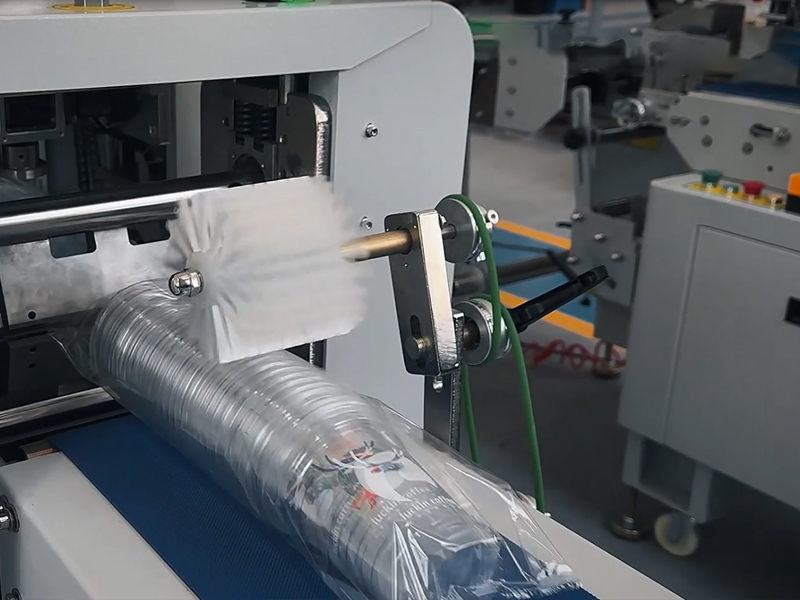
I see the same pain points in many production lines.
The line runs well at the machine level, but the end of the line slows everything down. Boxes wait for packing. Pallets sit half-finished. Workers repeat the same lifting, stacking, and wrapping steps all day. Quality drifts when the pace rises. One small mistake at the last stage can create rework, shipping delays, and extra cost.
That is why I pay so much attention to end-of-line automation. I do not treat it as a “nice extra.” I see it as the part of the line that protects output, keeps product handling steady, and reduces the pressure on people who should not spend their shift doing heavy repeat work.
When I talk with factory teams, I usually hear the same concerns:
Manual packing takes too much effort
Pallet loads look uneven
Labels go on late or in the wrong spot
Stretch wrap is not tight enough
Operators spend too much time fixing small errors
The line itself may be fast, but the last step holds the whole process back
My view is simple. If the front end is strong and the back end is weak, the line does not work as one system. End-of-line automation closes that gap.
What I usually look at first is the product flow.
I check how cartons move from filling or assembling to case packing, case sealing, inspection, palletizing, and wrapping. I look for dead stops, handoffs, and places where workers carry too much load. I also watch for product mix changes. A line that handles one carton size all day may look stable. A line that switches sizes often needs a smarter layout.
A good full end-of-line setup often includes these parts:
Conveyors that move cartons smoothly
Case packers that group products with steady spacing
Case erectors and sealers that reduce manual folding and taping
Checkweighers or vision checks that catch issues before shipment
Palletizers that stack cases in a consistent pattern
Stretch wrappers that hold the load firm for storage and transport
Labeling and coding tools that keep outbound packs easy to trace
I have seen a beverage plant where workers packed heavy cartons by hand at the end of each shift. The work was tiring, and the pallet shape changed from operator to operator. Some pallets leaned. Some wrapped film too loosely. After the team added a conveyor, a case packing station, and a palletizer, the load became much steadier. The staff still checked quality, but they no longer carried every box by hand. The change reduced strain and made shipping cleaner.
That kind of result is what I focus on.
I also care about the layout. A full EOL setup should not feel crowded or hard to reach. If technicians cannot access sensors, motors, or wrap stations, maintenance becomes slow. If the line is too tight, product flow gets blocked. If controls are spread across too many points, training gets harder.
I usually ask four questions:
Where does the product slow down
Where do people do the same motion again and again
Where do defects show up before shipping
Where can one machine replace a weak manual step
Those answers guide the system design more than any brochure does.
My opinion is that end-of-line automation works best when it solves real plant problems, not when it adds machines for show. A line does not need more parts just for the sake of it. It needs the right sequence. Each step should support the next one. That is how I think about a packing line, a palletizing area, or a warehouse transfer point.
There is also a people side to this. I do not see automation as a way to remove value from the team. I see it as a way to move people away from heavy, repetitive, and error-prone work. Skilled workers can then focus on checks, changeovers, maintenance, and problem-solving. In my experience, that shift often improves morale. People can see that the line respects their effort.
A real example comes to mind from a consumer goods site that ran mixed carton sizes. The team used manual stacking, and the load pattern changed during busy shifts. Some pallets needed extra correction before dispatch. The team added automated pallet handling and wrap control, then built a clear check step after the wrapper. The result was a cleaner handoff to the warehouse. The staff spent less time fixing the same issues again and again.
If I were planning a full EOL upgrade, I would move through this path:
Map the current line from case output to shipping
Mark the slow points and injury risks
Choose one stable product route for the first automation stage
Add conveyor, packing, and checking tools in a clear order
Keep access open for service and cleaning
Test one product type, then expand to other sizes after the line proves stable
That is the approach I trust most, because it keeps change under control.
I also pay attention to data. Even a simple system can show where the line loses time, where cartons stop, and where wrap quality changes. That information helps teams make better choices. It also makes it easier to spot a problem before it grows into a larger shutdown.
For me, the value of full end-of-line automation is not only speed. It is control. It helps the line stay steady when demand changes. It helps reduce damage during packing and shipment. It helps teams work with less strain. It makes the last stage of production feel like part of the line, not a weak spot at the edge.
I often tell plant teams this: if your process is strong up front, do not let the final step undo the work. A clean, well-planned end-of-line setup gives the whole operation a better finish. It supports quality. It supports output. It supports the people who keep the line moving.
Interested in learning more about industry trends and solutions? Contact Fanny: cs-conveyor@wxcsjm.com/WhatsApp +8618921137719.
References
John Miller, 2023, Full End-of-Line Automation for Modern Packaging Lines
Sarah Thompson, 2022, Reducing Manual Handling in Packaging Operations
David Chen, 2024, Improving Output Stability Through Smart EOL Systems
Emily Carter, 2021, Practical Strategies for Packaging Line Automation
Michael Brown, 2023, Quality Control and Palletizing in High-Speed Production Environments


July 27, 2026
July 26, 2026
Email to this supplier
July 27, 2026
July 26, 2026