
Is Your End-of-Line System the Weak Link? 68% Say Yes.
Is Your End-of-Line System the Weak Link? 68% Say Yes. An End-of-Line (EOL) resistor is a critical part of fire alarm supervision, completing the zone circuit so the control panel can continuously monitor wiring integrity and quickly detect open circuits, shorts, tampering, or damage. Depending on the system brand, common values include 1KΩ, 2.2KΩ, 4.7KΩ, 5.6KΩ, and 6.8KΩ. Installed at the far end of the line, it helps ensure the last device and the full circuit remain functional, preventing bypass and improving system reliability. Alpha Controls, a UK-based provider of building energy management system installation and electrical engineering services, delivers professional solutions to keep your systems safe, compliant, and fully protected.

Is Your End-of-Line System Holding You Back? 68% Say Your End-of-Line Is the Weak Link Stop Letting EOL Bottlenecks Slow You Down Can Your End-of-Line Keep Up with Demand? The Hidden Weak Spot in Your Production Line Fix the Weak Link Before It Costs You More

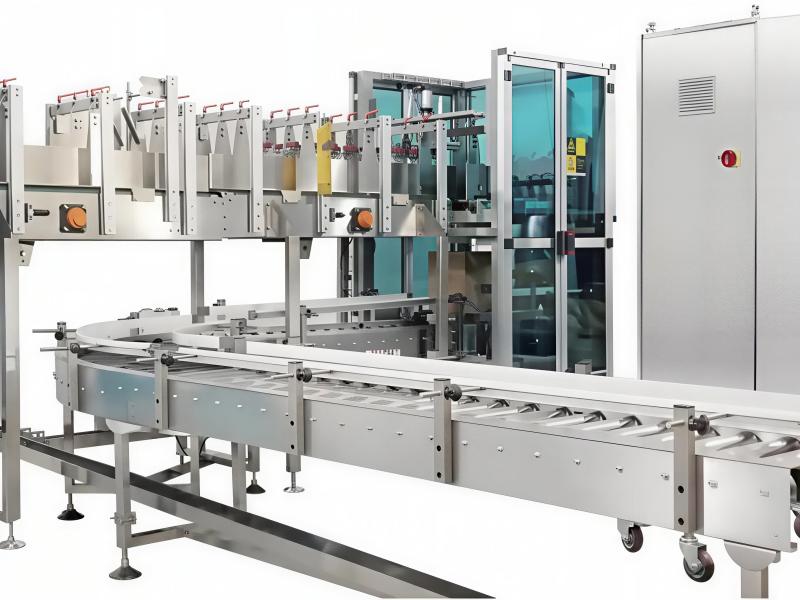
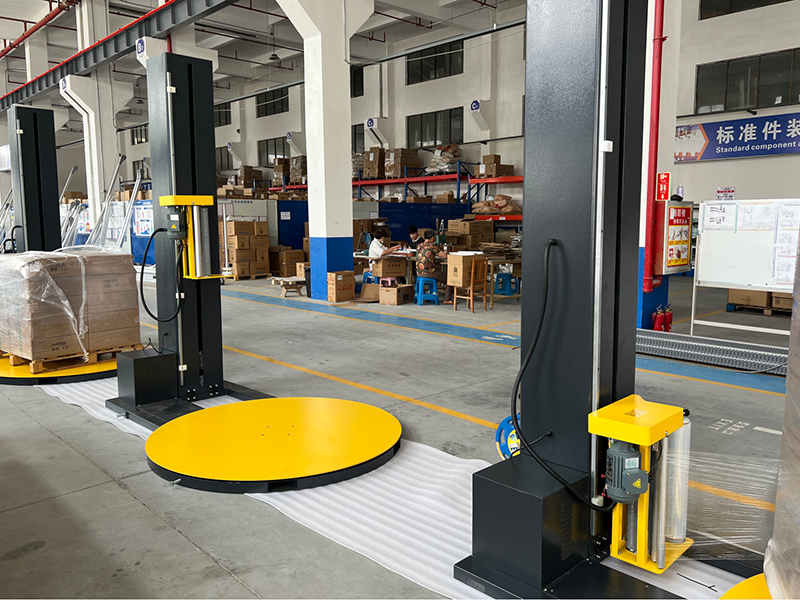
I keep seeing the same issue on production floors. The line looks stable in the middle, but the end-of-line system slows it down. Labels stack up. Cases wait. Pallets stop moving. The whole line feels it.
That weak point is easy to miss at first. The main machines may run well. The end-of-line area still creates drag. One small jam, one slow transfer, one manual check, and the output for the whole line drops.
When I walk a site, I look for a few signs.
- The line runs well until packing, case handling, or palletizing starts
- Operators keep clearing small stops
- WIP builds near the end of the line
- One SKU moves well while another falls behind
- People spend more effort on recovery than on steady flow
If I see these patterns, I do not blame the end-of-line system right away. I ask a simple question: where does the flow break?
That question matters.
In one beverage plant I visited, the filler, capper, and labeler kept pace with demand, but the case packer created short pauses every few minutes. The team thought the upstream line was the issue. After a closer look, the problem turned out to be a worn gripper and a carton feed angle that shifted under load. Small fixes made a clear difference. The line felt easier to run, and the operators stopped fighting the same stop-start cycle.
I have seen a similar pattern in food packaging. The inspection lane rejected good packs too often because the sensor setting was too tight for normal product variation. The reject chute was fine. The real problem was the setting and the unclear reset step. The team lost time every shift because no one had a clear rule for what to do after a reject. Once the rule was written in plain language and the sensor was adjusted, the end-of-line system became easier to manage.
When I work on an EOL bottleneck, I focus on five practical steps.
- Match the real line speed
The rated speed on paper means little if the end-of-line station cannot hold it under normal load. I compare upstream output, package size, carton quality, and transfer speed. If one station pushes faster than the next one can handle, the gap grows fast.
- Cut manual handoffs
Every extra lift, push, or check adds risk. I look for places where a person is doing work that a guide rail, conveyor, sensor, or simple fixture could handle. Fewer handoffs usually mean fewer small stops.
- Keep the buffer useful, not crowded
A buffer should protect the line, not hide a problem. If the buffer stays full, the system is telling me the EOL area cannot keep up. I prefer a small, clear buffer that helps flow instead of a large pile that covers the issue.
- Make alarms easy to read
I want operators to understand the problem fast. A long message on a screen does not help if the team still needs to guess. Clear alarm names, short reset steps, and simple visual cues save effort.
- Standardize changeovers
Many end-of-line problems show up during product change. Different carton sizes, label formats, or pallet patterns can create slowdowns. I like short, clear setup steps that the team can follow the same way each shift.
I also pay attention to small design details. A conveyor bend that looks harmless can create friction. A reject lane can send good packs into a loop. A palletizer can run well on one pattern and struggle on another. These are not dramatic failures. They are quiet weak links, and they can sit inside a strong line for months.
That is why I do not treat the end-of-line system as a finish point. I treat it as a control point. If it slows down, the whole line feels it. If it runs clean, the rest of the line has a better chance to stay steady.
My own rule is simple: I fix the weak link before it keeps asking for attention. I watch the end-of-line area closely, I listen to the operators, and I look for repeated stops that feel small but happen again and again.
If your line keeps missing output, start at the end. That is where many bottlenecks hide.
We has extensive experience in Industry Field. Contact us for professional advice:Fanny: cs-conveyor@wxcsjm.com/WhatsApp +8618921137719.
References
Miller, Anna 2022 The Hidden Cost of End of Line Bottlenecks
Chen, David 2021 Improving Flow in Packaging and Palletizing Operations
Roberts, Emily 2023 Reducing Manual Handoffs in Production Line End Systems
Patel, Michael 2020 Practical Methods for Managing End of Line Buffers
Johnson, Laura 2024 Standardizing Changeovers to Prevent Line Slowdowns


August 18, 2026
Stop guessing and bring complete clarity to your end-of-line performance. End-of-line testing is the final, most critical quality gate before shipment, protecting product quality, lowering warranty
What’s holding back your line may be an end-of-line solution that can’t keep up with production demands. When this final stage slows down, bottlenecks build, efficiency drops, and overall outpu
Email to this supplier
August 18, 2026